Kategorijos
Naujausias dienoraštis
Ar išmanioji durų spyna yra verta dėmesio? Daugeliui namų savininkų, nuomininkų ir trumpalaikės nuomos šeimininkų atsakymas yra „taip“, tačiau tik tada, kai ji išsprendžia realią patekimo problemą.
Išmanioji spyna gali palengvinti kasdienybę: nebereikia nešiotis raktų, galima sukurti laikinus prieigos kodus, automatiškai užrakinti duris arba patikrinti spynos būseną telefonu. Tačiau ji taip pat sukuria naujų įsipareigojimų, įskaitant baterijų priežiūrą, paskyros saugumą, durų suderinamumą ir atsarginio patekimo planavimą.
Geriausias pasirinkimas nėra tiesiog „išmanioji spyna prieš tradicinę spyną“. Tai spynos sistemos, atitinkančios jūsų duris, gyvenimo būdą, biudžetą ir saugumo lūkesčius, pasirinkimas.
Išmanioji durų spyna dažniausiai yra verta dėmesio, jei nuolat susiduriate su pamestais raktais, iš mokyklos grįžtančiais vaikais, valytojais ar rangovais, kuriems reikia prieigos, dažnais svečiais, Airbnb nuomininkų kaita arba įpročiu nerimauti, ar užrakinote duris.
Ji gali būti mažiau naudinga, jei jums reikia tik paprastos spynos, nenorite rūpintis programėlėmis ar baterijomis, turite duris, kurias sunku pritaikyti, arba jums nereikia laikinos ar nuotolinės prieigos funkcijų.
Svarbiausia, kad išmanioji spyna nepakeičia tvirtų durų, saugios staktos, tinkamai sumontuotos užrakto plokštelės ir aukštos kokybės sklendės. Išmaniosios funkcijos pagerina patogumą ir prieigos kontrolę; fizinis durų saugumas vis tiek išlieka svarbus.
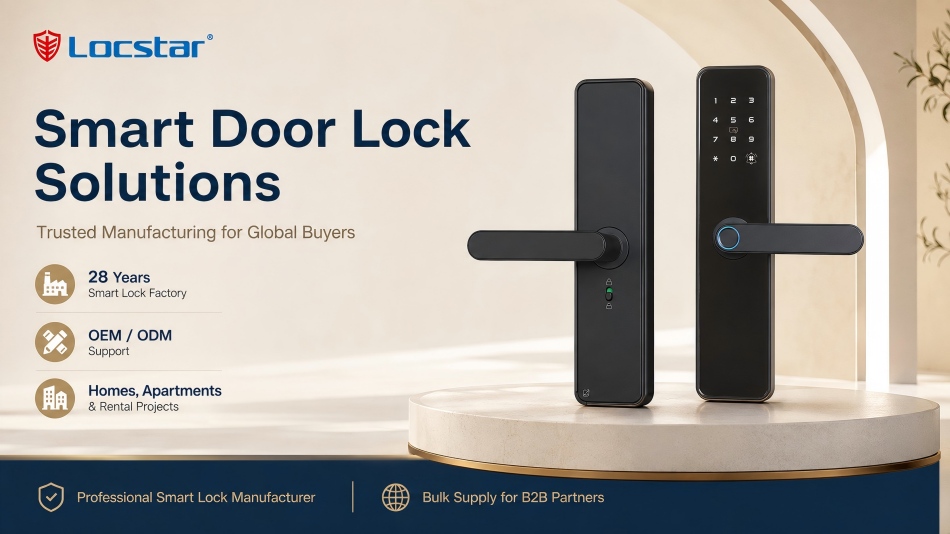
Tradicinės spynos yra paprastos, pažįstamos ir dažniausiai pigesnės. Išmaniosios spynos prideda elektroninius patekimo būdus, o kai kuriuose modeliuose – valdymą programėle ir išmaniųjų namų integraciją.
| Palyginimo sritis | Išmanioji durų spyna | Tradicinė spyna |
| Patekimo būdai | PIN kodas, piršto atspaudas, RFID kortelė, programėlė, raktas ar kiti patvirtinti būdai | Fizinis raktas |
| Laikina prieiga | Kodai ar leidimai gali būti pridedami ir pašalinami | Reikia duoti kam nors fizinį raktą |
| Automatinis užrakinimas | Galimas pasirinktuose modeliuose | Dažniausiai rankinis |
| Nuotolinė būsena | Galima patikrinti per suderinamas programėles ar sistemas | Negalima |
| Baterijų poreikis | Dažniausiai maitinamos baterijomis arba elektra | Baterijų nereikia |
| Montavimas | Gali prireikti nustatymų, reguliavimo ir suderinamumo patikros | Dažniausiai paprastesnis |
| Pradinė kaina | Dažnai aukštesnė | Dažniausiai žemesnė |
| Geriausiai tinka | Lanksčiai prieigai, patekimo be raktų sistemoms ir automatizavimui | Paprastam naudojimui, nereikalaujančiam priežiūros |
Teisingas pasirinkimas priklauso nuo to, ar papildoma kontrolė jums yra vertinga. Jei rakinate tik vienas lauko duris raktu ir retai dalijatės prieiga, tradicinės spynos gali visiškai pakakti. Jei keliems žmonėms reikalinga kontroliuojama prieiga, išmanioji spyna gali būti praktiškas patobulinimas.
Viena didžiausių priežasčių, kodėl žmonės renkasi išmaniąją durų spyną, yra paprasta: jiems nebereikia visur nešiotis rakto. Klaviatūra, pirštų atspaudų skaitytuvas, RFID kortelė arba mobilieji duomenys gali palengvinti įėjimą į namus išvedžiojus šunį, pasportavus, parsinešus maisto produktų ar grįžus su vaikais.
Įėjimas be rakto taip pat gali sumažinti stresą dėl pamestų raktų. Užuot laukę atsarginio rakto ar kvietę spynų meistrą, vartotojai gali įeiti naudodami PIN kodą, kortelę, piršto atspaudą ar patvirtintą atsarginį metodą.
Išmaniosios spynos ypač naudingos, kai prieigą reikia dažnai keisti. Gali tekti įleisti valytoją, rangovą, šunų vedžiotoją, šeimos narį, namų prižiūrėtoją ar kurjerį.
Su suderinama išmaniąja spyna galite sukurti laikiną kodą ar prieigos duomenis ir juos pašalinti, kai jų nebereikia. Tai yra labiau kontroliuojama nei fizinių raktų dalijimas, kuriuos galima nukopijuoti, pamesti arba niekada negrąžinti.
Daugeliui vartotojų tikroji vertė yra ne nuotolinis atrakinimas, o žinojimas, kad durys užsirakina automatiškai. Automatinis užrakinimas gali sumažinti tikimybę palikti namus neužrakintus po įtempto ryto ar vėlyvo grįžimo namo.
Kai kurie vartotojai taip pat vertina galimybę patikrinti, ar durys užrakintos prieš miegą arba išėjus iš namų. Ši funkcija gali atrodyti nereikšminga, tačiau ji gali išspręsti labai dažną kasdienio nerimo priežastį.
Pasirinktos išmaniosios spynos gali pateikti veiklos įrašus, pranešimus arba išmaniųjų namų ryšius. Pavyzdžiui, suderinama sistema gali jus informuoti, kai naudojamas konkretus kodas, arba leisti spynai veikti kartu su apšvietimu, kameromis, signalizacijomis ar balso asistentais.
Šios funkcijos yra naudingiausios, kai jos palaiko aiškią rutiną. Pirkti spyną su visomis įmanomomis funkcijomis ne visada būtina.
Išmaniųjų spynų privalumai ir trūkumai turėtų būti sąžiningai įvertinti prieš perkant.
Pirma, daugumai išmaniųjų spynų reikia baterijų energijos. Baterijas galiausiai reikia pakeisti, todėl prieš montavimą turėtumėte suprasti įspėjimus apie išsikraunančią bateriją, avarinio maitinimo parinktis ir atsarginius įėjimo būdus.
Antra, nuotolinės funkcijos gali priklausyti nuo Bluetooth, Wi-Fi, šliuzo (gateway) arba prijungtos išmaniųjų namų ekosistemos. Jei jūsų internetas nepasiekiamas, nuotolinės funkcijos gali neveikti taip, kaip tikėtasi. Daugelis spynų vis tiek gali atlikti pagrindinį vietinį atrakinimą, tačiau tai priklauso nuo modelio.
Trečia, išmaniosioms spynoms reikalingi geri skaitmeniniai įpročiai. Naudokite stiprius slaptažodžius, apsaugokite savo paskyrą, atnaujinkite programinę-aparatinę įrangą, kai ji pateikiama, ir venkite be reikalo dalytis nuolatiniais prieigos kodais.
Galiausiai, išmaniosios spynos gali kainuoti daugiau nei tradicinės spynos. Bendra kaina gali apimti spyną, montavimą, papildomus priedus, baterijas ir galimus durų pakeitimus. Atnaujinimas yra vertingiausias, kai jis apsaugo nuo pakartotinių spynų meistro vizitų, raktų keitimo, pamestų raktų problemų ar nusivylimo dėl prieigos valdymo.
Naudingiausia funkcija priklauso nuo to, kaip naudojatės savo durimis.
| Jei jums reikia… | Apsvarstykite galimybę ieškoti… |
| Jokių raktų kasdienio naudojimo metu | Klaviatūros, pirštų atspaudų, RFID kortelės arba prieigos per programėlę |
| Prieigos svečiams ar valytojams | Laikinų ir suplanuotų prieigos kodų |
| Papildomo užtikrintumo naktį | Automatinio užrakinimo ir įspėjimų apie spynos būseną |
| Nuotolinės prieigos būnant ne namuose | Wi-Fi, šliuzo (gateway) arba suderinamo išmaniųjų namų ryšio |
| Atsarginio plano | Mechaninio rakto, avarinio maitinimo prievado arba alternatyvių prieigos duomenų |
| Šeimai patogios prieigos | Kelių vartotojo kodų ir paprastų atrakinimo būdų |
| Išmaniųjų namų automatizavimo | Suderinamumo su jūsų esama ekosistema |
Nesirinkite spynos tik todėl, kad ji turi kamerą, pirštų atspaudų skaitytuvą ar valdymą balsu. Pradėkite nuo dažniausiai pasitaikančios prieigos problemos, tada pasirinkite funkcijas, kurios ją išsprendžia.
Prieš pirkdami įsitikinkite, kad spyna tinka jūsų durims. Patikrinkite durų medžiagą, storį, varstymo kryptį, esamą spynos korpusą, atstumą nuo briaunos iki cilindro centro (backset) ir tai, ar duryse naudojama paprasta spyna, įleidžiamoji spyna ar daugiataškė spyna.
Taip pat turėtumėte paklausti:
Išmanioji spyna turėtų tikti jūsų durims ir kasdienei rutinai, o ne versti jus keisti abu.
Jos gali užtikrinti geresnę prieigos kontrolę naudojant laikinus kredencialus, automatinį užrakinimą, prieigos įrašus ir galimybę greitai pašalinti kodus. Tačiau išmanioji spyna automatiškai nepadaro silpnų durų ar nekokybiškos spynos saugesnėmis.
Dauguma kokybiškų išmaniųjų spynų pateikia įspėjimus apie senkančią bateriją prieš jai išsikraunant. Daugelis modelių taip pat turi mechaninį raktą, avarinio maitinimo jungtį ar kitą atsarginį įėjimo būdą. Prieš montuodami visada išsiaiškinkite atsarginį planą.
Ne visada. Kai kurios išmaniosios spynos veikia vietoje per Bluetooth, RFID korteles, PIN kodus ar pirštų atspaudus. Wi-Fi arba suderinamas šliuzas (gateway) paprastai reikalingas nuotolinei prieigai ir kai kuriems pranešimams.
Gali būti, ypač jei spyną lengva nuimti ir vėliau vėl sumontuoti. Nuomininkai pirmiausia turėtų gauti nuomotojo sutikimą ir vengti nuolatinių modifikacijų be leidimo.
Ne. Suderinamumas priklauso nuo durų storio, medžiagos, spynos tipo, varstymo krypties, esamos įrangos ir vietinių saugumo reikalavimų. Prieš užsakydami visada patikrinkite gaminio specifikacijas.
Išmanioji durų spyna yra verta dėmesio, kai ji suteikia jums prasmingą prieigos kontrolę, o ne tik dar vieną programėlę telefone. Jei įėjimas be rakto, laikini kodai, automatinis užrakinimas ir geresnis prieigos valdymas palengvintų jūsų gyvenimą, šis atnaujinimas gali būti protinga investicija.
Prieš priimdami sprendimą, išnagrinėkite išmaniųjų durų spynų parinktis pagal savo durų tipą, pageidaujamą prieigos būdą ir reikiamą ryšio lygį.
 en
en es
es ar
ar lt
lt 中文
中文