Kategorijos
Naujausias dienoraštis
Smart Door Lock vs Traditional Lock Which Is Better for Home Security
A practical guide for choosing the right front door lock
Choosing between a smart door lock and a traditional lock is about household access, visitor management, and backup entry when something fails.
Traditional locks use mechanical keys. Smart locks may use a PIN, fingerprint, card, mobile app, or a combination of these methods. Both can be secure when they are well made, properly fitted, and installed on a solid door with a good frame and strike plate.
A smart lock will not strengthen a weak door, and a traditional lock is not automatically outdated. Choose based on the protection and daily control your home needs.
The Short Answer
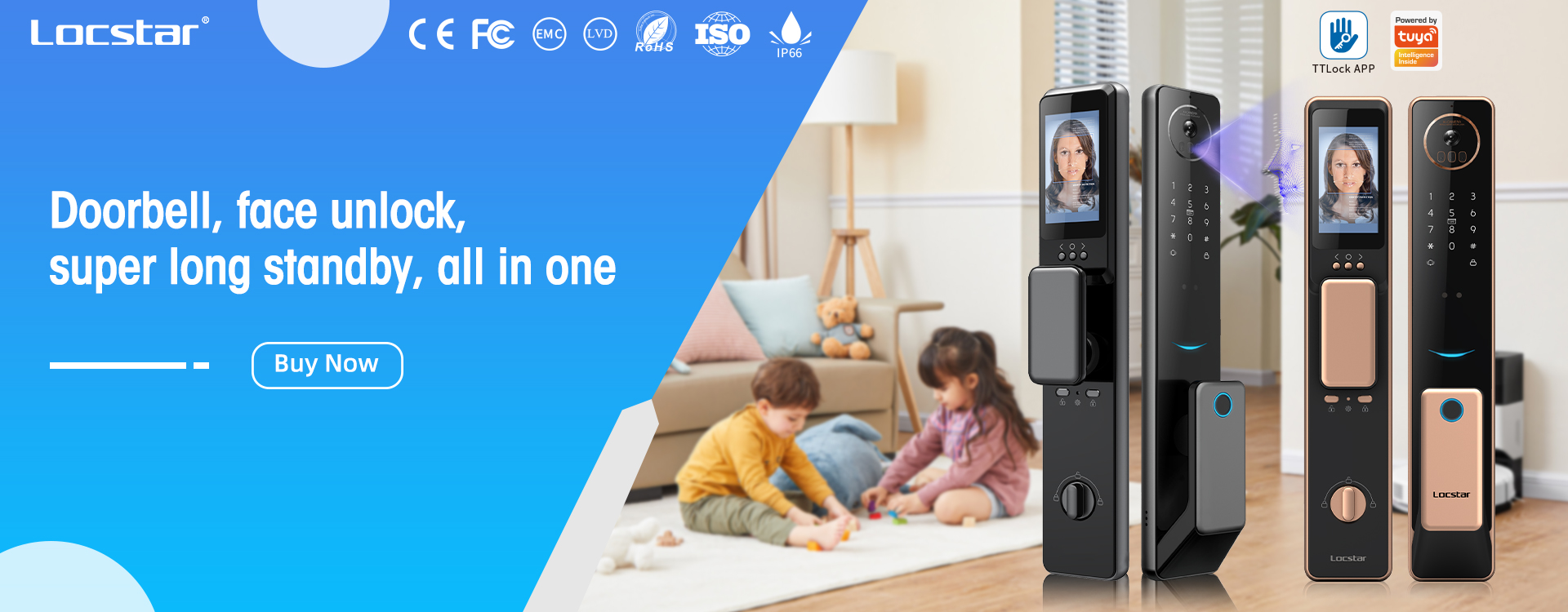
A smart door lock is a good fit when you want to control access without handing out physical keys. It can provide temporary codes for guests or a cleaner, then remove a code when it is no longer needed.
A traditional lock may suit a household that wants a simple system, does not need remote access, or has unreliable connectivity. A mechanical deadbolt has no app account or battery to manage.
Before deciding, compare the two options across the parts of security that matter most.
Smart Door Lock and Traditional Lock Comparison
Table 1 Smart door lock and traditional lock comparison
|
Security area |
Smart door lock |
Traditional lock |
What to check |
|
Physical protection |
Lock, bolt, door, and fitting matter |
Lock, cylinder, door, and fitting matter |
Check bolt, strike plate, frame, and screws |
|
Access control |
Can use PINs, fingerprints, cards, or mobile access |
Uses physical keys |
How often do you share or recover access |
|
Lost credentials |
A digital credential can often be removed quickly |
A lost key may require rekeying |
How serious would a lost key be |
|
Power and connectivity |
Needs batteries and may use Bluetooth or Wi Fi |
Works without batteries or a network |
Confirm the backup entry method |
|
Daily convenience |
Can support keyless entry and temporary access |
Familiar and simple |
Choose a method everyone can use |
|
Ongoing care |
May need battery, app, and permission checks |
May need key copies or cylinder service |
Choose care you can manage |
Physical Security Still Comes First
The lock type is only one part of front door security. A poorly aligned bolt, loose strike plate, or weak frame can leave either type vulnerable to forced entry.
Check the frame, strike plate, screws, and whether the deadbolt moves smoothly into place. If the door flexes or the frame is damaged, upgrading the lock alone may not solve the problem.
Smart locks can improve control over who enters the home, but this differs from resistance to physical attacks. If keyless access suits your household, explore smart door lock options after checking door compatibility and backup entry.
Where Smart Locks Have a Clear Advantage
Smart locks are especially useful when access changes often. A physical key can be copied, passed around, or forgotten. A smart lock may let you create a separate code for each person, set a schedule for that code, and remove it when it is no longer needed.
That can work well for families, landlords, holiday homes, or households that use cleaners and contractors. Instead of leaving a spare key outside, you can give an approved visitor access for a limited period. An activity record can help you check when a code was used, but it should not replace a clear household security routine.
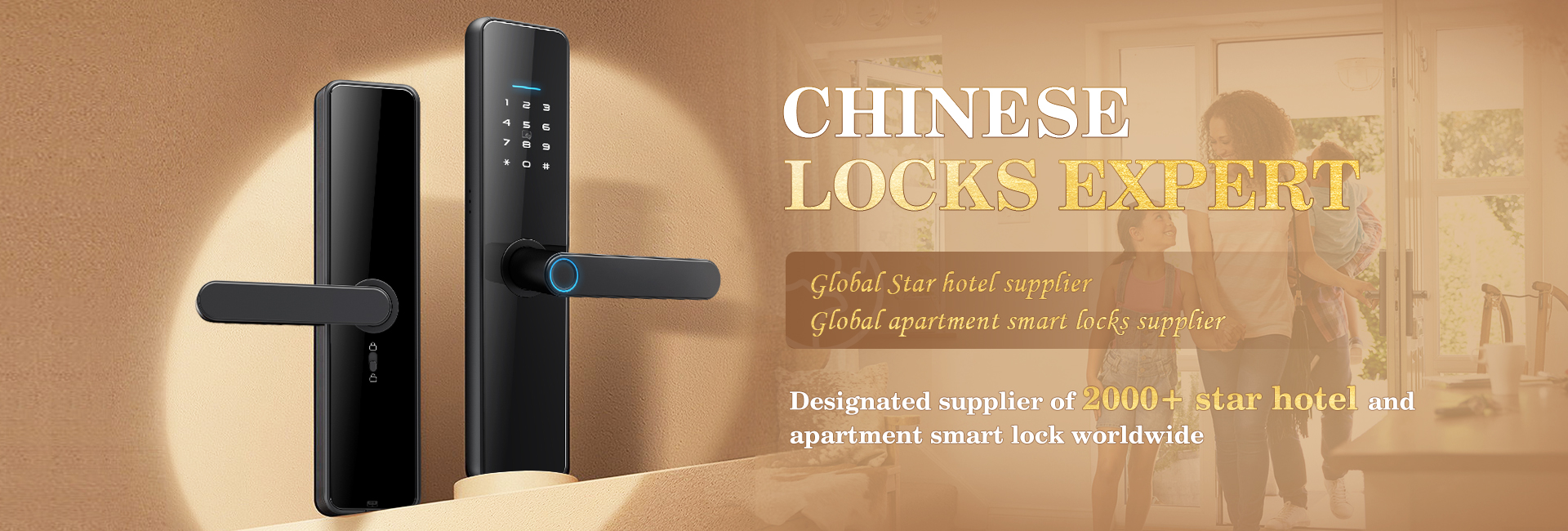
For homes that want several entry methods, a Wi Fi fingerprint smart lock can be worth considering when its door fit, power backup, and app settings match the household's needs.
Smart Lock Risks You Should Plan For
A smart lock adds digital features and digital responsibilities. Use a strong password for the lock account, protect the linked email account, and remove old users promptly. Install supported software updates when available.
Know what happens if a phone is lost, a battery is low, or the internet goes down. A power cut does not always stop a battery powered lock, but remote functions may be limited when Wi Fi or a gateway is offline. Check for a mechanical key, emergency power connection, offline keypad entry, or another backup method.
When a Traditional Lock May Be the Better Fit
Traditional locks remain a sensible choice for many homes. They are simple, familiar, and independent of mobile apps. A quality mechanical lock may suit an older relative, a rarely used property, or a household that does not want digital permissions.
They also make sense when the door needs attention first. If funds are limited, improving the frame, strike plate, hinges, and deadbolt installation may offer more value than adding access features to an unsuitable door. The tradeoff is less flexibility if a key is lost or not returned.
A Practical Buying Checklist
Before choosing either type of lock, answer these questions. The answers are more useful than choosing a model based only on its feature list.
· Does the lock fit your door thickness, existing mortise or deadbolt, and opening direction?
· Is the door frame strong enough to support the lock and strike plate?
· Who needs access, and do they need a key, card, PIN, fingerprint, or app?
· What happens if the battery, phone, internet connection, or app is unavailable?
· Who will manage passwords, updates, spare keys, and future maintenance?
Frequently Asked Questions
A smart lock can create digital risks if the account, phone, or app settings are poorly managed. Use strong account security, remove unused permissions, and keep supported software updated. A traditional lock avoids these digital risks but keys can still be copied or lost.
Not automatically. A smart lock may offer better access control, while a traditional deadbolt may offer simpler offline operation. Physical security still depends on the lock hardware, door, frame, strike plate, and installation.
The answer depends on the model. Check for low battery alerts and a backup entry method, such as a mechanical key or emergency power port, before buying.
Sometimes, but renters should check their lease and obtain property owner approval when required. A lock that can be removed without permanent door changes may be easier to manage at the end of a tenancy.
Final Recommendation
For many households, the best choice is the lock that gives the right balance of physical protection, simple daily use, and a reliable backup plan. Choose a smart lock when flexible access and keyless management solve a real need. Choose a traditional lock when dependable mechanical simplicity is the priority.
If you need help matching a lock to your door and access requirements, request a smart lock compatibility consultation.
 en
 es
 ar
 lt
 中文